Watercolor Christmas Tree in a Jar Embroidery Review
I have spent years reviewing digital assets for my own boutique and the custom orders I fulfill for clients. There is a specific moment when you download a new file where the skepticism kicks in. Does this design actually translate from a screen to a needle? Will it hold up after twenty washes, or will it look like a muddy mess on a tote bag? Recently, I put Watercolor Christmas Tree in a Jar to the test before adding it to my holiday collection, and the results were far more nuanced than a simple "yes" or "no." This review breaks down exactly how this piece performs in real-world scenarios.
The First Impression: Mood and Visual Personality
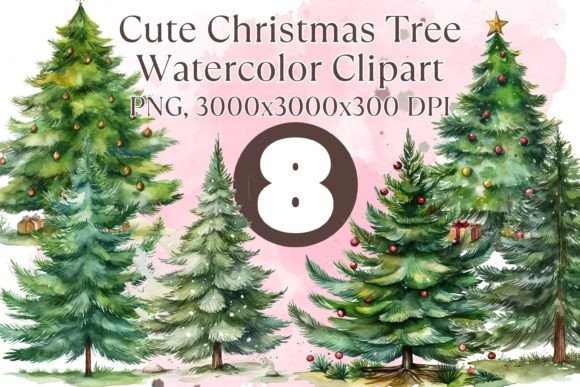
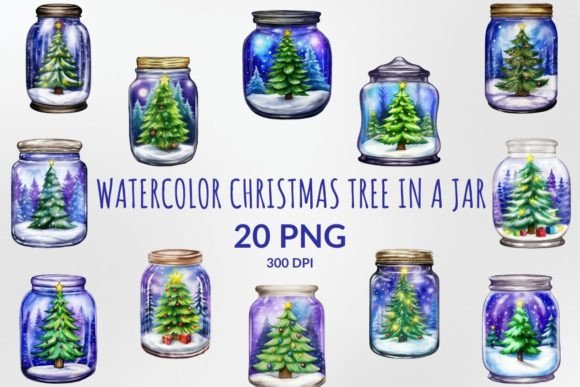
When I first opened the file, the immediate draw of Watercolor Christmas Tree in a Jar was its softness. In a market saturated with rigid, blocky geometric trees and heavy outlines, this illustration offers a breath of fresh air. It feels less like a traditional holiday icon and more like a delicate memory captured in thread. The layout suggests a whimsical, storybook quality that fits perfectly into modern nursery decor or high-end boutique branding.
The concept itself—a tree contained within glass—creates an interesting challenge for the embroiderer. Unlike a standard flat tree, this design implies depth and transparency. For a designer looking to create a handmade product that stands out on Etsy or at a craft fair, this is a strong starting point. It evokes a sense of coziness and nostalgia without being overly cliché. It doesn't scream "Christmas" in a loud way; instead, it whispers it, which often appeals to customers looking for something sophisticated rather than kitschy.
Real-World Application: From Screen to Stitch
To truly understand the potential of this design, I simulated a few projects that are common in my workflow. Imagine a small business owner preparing for the holiday rush. They want to launch a line of personalized gifts. Watercolor Christmas Tree in a Jar works exceptionally well as a focal point on a custom embroidered tote bag. The rounded shape of the jar creates a natural anchor in the center of the canvas, allowing the surrounding negative space to be filled with the customer's name or a short festive message.
I also visualized this design on a baby item, such as a onesie or a blanket. The soft edges of the watercolor style are forgiving on thin fabrics. On a sweatshirt embroidery project, the design would add a touch of elegance that elevates the garment beyond basic apparel. It feels right at home on an apron for a baker or a kitchen towel for a hostess gift. The versatility here is impressive because the theme is seasonal but the aesthetic is timeless enough to remain relevant year after year.
For commercial embroidery projects, this file could serve as a unique asset for wedding favors or holiday party swag. It has a distinct personality that helps build brand consistency. If your shop focuses on artisanal goods, using a design like this signals attention to detail and artistic curation to your buyers.
Where to Use It (And Where to Pause)
While the design is beautiful, practical application requires caution. Not every surface is suitable for every stitch type. If you are working with textured fabrics like heavy bouclé or thick fleece, the fine details of the watercolor effect might get lost. The stitches may not lay flat against the uneven surface, resulting in a distorted image.
Similarly, thin or stretchy fabrics can be tricky. Without proper stabilizer, the tension required to pull off the intricate details of the jar and tree could cause puckering. I strongly advise testing the stitch density on scrap fabric before committing to a final product. Dark fabrics present another hurdle; unless you use a high-contrast thread palette or a backing layer, the subtle shading of the watercolor style might disappear into the background.
Hoop size is also a critical factor. Attempting to stitch this on a small hoop might force you to crop out the bottom of the jar, ruining the composition. Conversely, if the design is too large for the machine's reach, you may need to split the file, which can lead to alignment issues. Curved surfaces, like caps, require careful consideration of the curvature. While the round shape of the jar adapts well to curves, the vertical lines of the tree might look odd if the cap is too small.
Visual Appeal and Product Value
In the world of handmade products, visual appeal directly correlates to perceived value. A design that looks crisp and professional justifies a higher price point. Watercolor Christmas Tree in a Jar adds a layer of sophistication that generic clipart cannot match. When a customer sees a finished product featuring this design, they perceive it as a premium item. The illusion of watercolor achieved through varying thread colors and densities can create a stunning effect that draws the eye.
This design also enhances giftability. People love items that feel personal and thoughtfully made. A personalized gift featuring this motif suggests care and effort. However, clarity is key. If the satin stitch areas are too dense, the design will lose its delicate charm and become stiff. If the running stitch areas are too sparse, the image may look unfinished. Balancing these elements is what separates a good embroidery job from a great one.
Practical Designer Notes for Success
Before you hit the start button on your machine, there are several technical steps to ensure success. First and foremost, always check the file format and compatibility with your specific machine. Since exact specifications like stitch counts or file types were not provided in the original listing, you must verify these details yourself to avoid compatibility issues.
Thread color selection is paramount for this specific design. To capture the watercolor effect, you will likely need a variegated thread or a carefully curated palette of similar shades. Don't rely on default settings; manually adjust the thread colors in your digitizing software to mimic the gradient of a real watercolor painting. Check the contrast between the thread and the fabric by viewing the design in black and white mockups; this helps identify areas where details might vanish.
Stabilizer choice cannot be overstated. For a design with fine details, a cut-away stabilizer is often the safest bet to prevent distortion over time. Test your hoop size and placement on a scrap piece of the actual fabric you intend to use. This step saves money on ruined materials and ensures the final product meets your quality standards.
Finally, consider the end use. If this is for a product that will undergo frequent washing, such as a kitchen towel or children's clothing, ensure the design is robust enough to withstand abrasion. Avoid placing detailed corners or tiny lettering in areas prone to friction. Confirm your licensing terms before selling any finished items or digital previews. Understanding whether you have the rights to sell the physical product is crucial for protecting your craft business.
In conclusion, Watercolor Christmas Tree in a Jar is a versatile and charming addition to any embroidery library. It bridges the gap between digital art and tactile craft beautifully, offering a fresh take on holiday motifs. With careful planning regarding fabric, stabilizers, and thread choices, this design can elevate your custom apparel, baby items, and boutique merchandise to a professional level. It is a tool that, when used correctly, delivers both aesthetic beauty and commercial viability.